
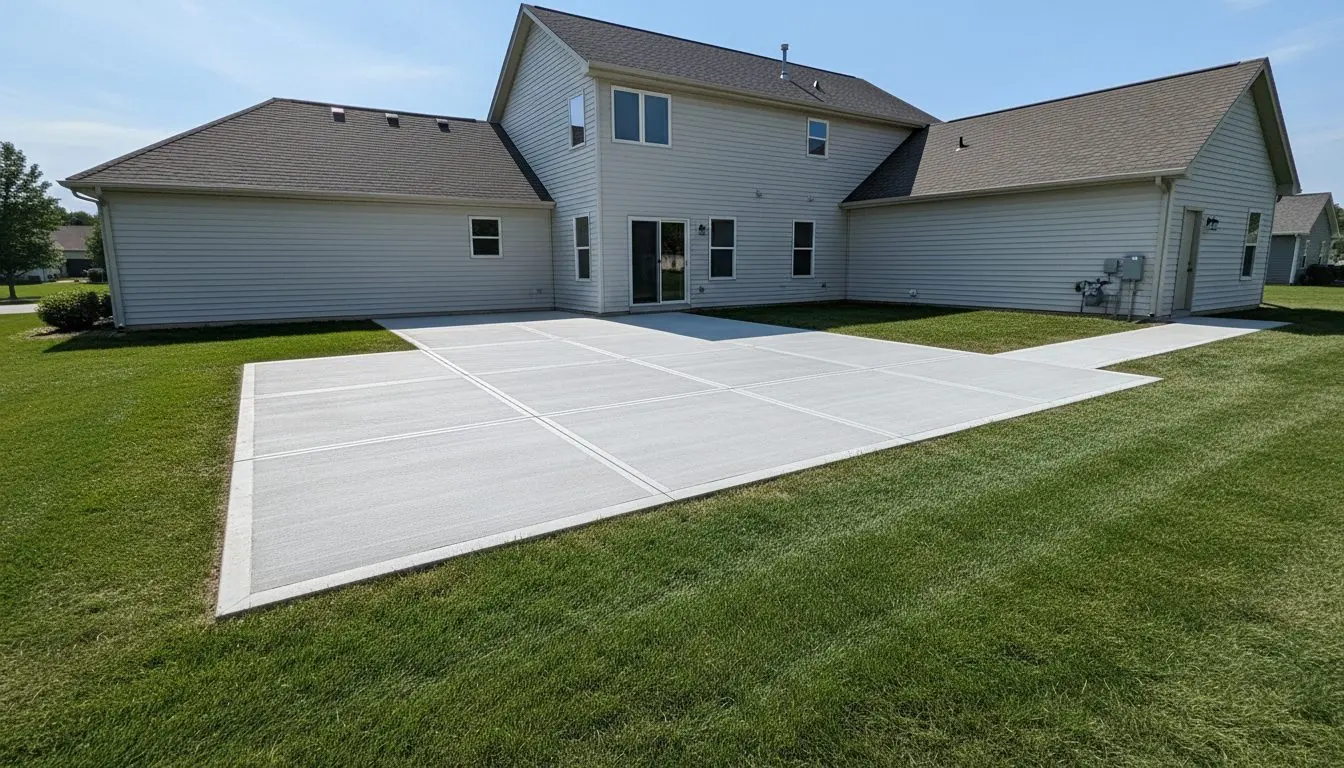
Patios and Walkways in Bloomington
Concrete Patios and Walkways
Poured with a slope built in to carry water from the house, finished with a texture that stays sure underfoot when wet, and jointed to move with the ground.
A patio poured to drain, not just to sit flat
A patio and walkway that stay level underfoot and carry water away from the house instead of toward it.
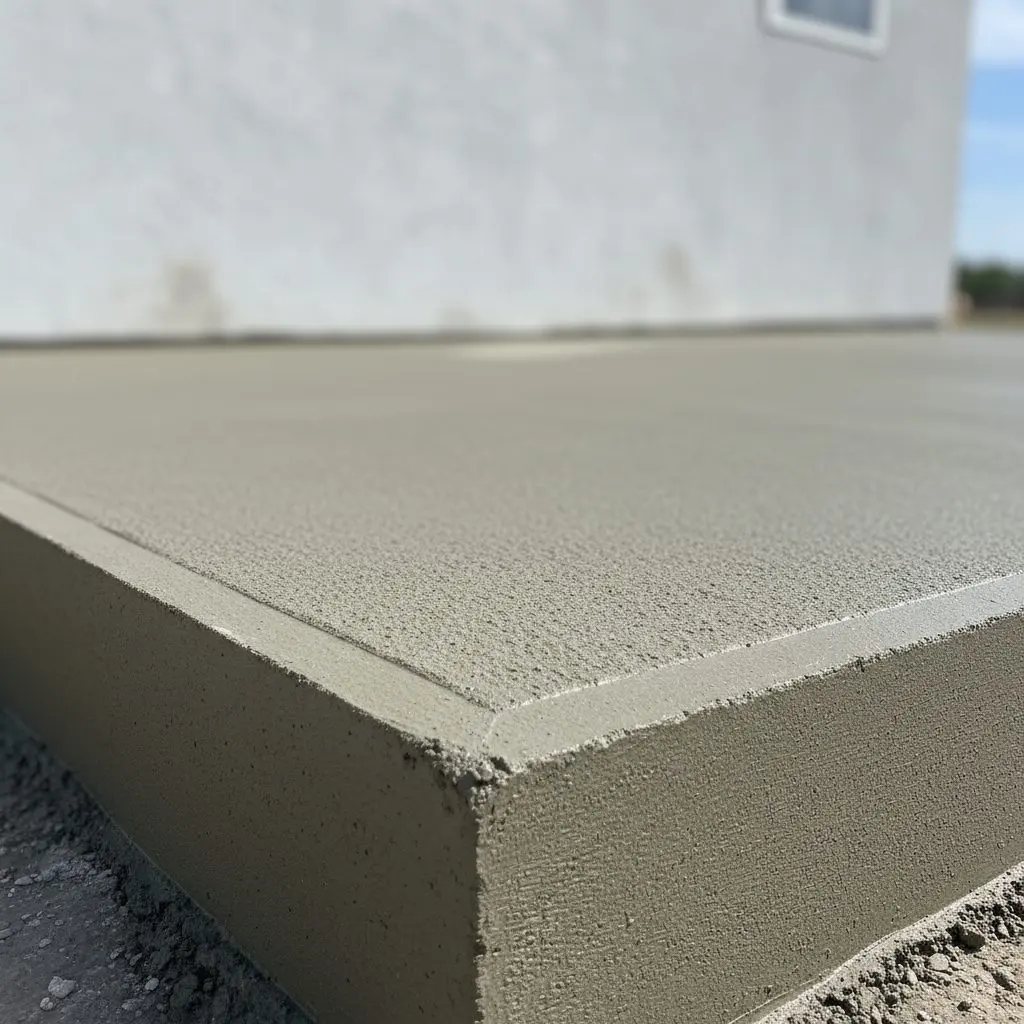
A patio here covers any ground-level slab built for foot traffic rather than a vehicle, which includes walkways, entry steps, pool surrounds and porch pads poured at the same time as a patio.
If what is going down needs to carry a car or a trailer, that is Driveways and Parking, one page over, where the base and the mix are built for a different kind of weight entirely.
Patios and walkways are the second most common thing this crew pours, dozens finished around Bloomington and Normal every season for close to eighteen years.
Most calls start with a plain patio off the back of the house, then a connecting walkway from the driveway or the gate, and steps wherever the grade changes. Pool surrounds and porch pads come up too, usually poured with the patio beside them.
Every patio is sloped roughly a quarter inch per foot away from the house before the finish goes on, because a flat pour holds water against the foundation instead of shedding it, and that slope is built into the forms before a truck shows up.
A homeowner planning a deck-free space for a table and chairs calls about a new patio, and somebody selling a house calls about the cracked, uneven walkway an inspector is going to flag first.
Call (309) 555-0142 for a free estimate on a patio or walkway. You will stop watching your step on the uneven path and get a surface you can walk across without thinking about it!
What's covered in a patio or walkway pour
One crew handles the grading, the forming and the finish, so the slope is right before the concrete ever goes in.
- New patios, any size or shape
- Walkways connecting a patio, driveway or gate
- Entry steps and porch pads
- Pool surrounds and pool decks
- Patio extensions tied into an existing slab
- Old patio or paver removal and haul-off
- Stamped, exposed aggregate and stained finishes
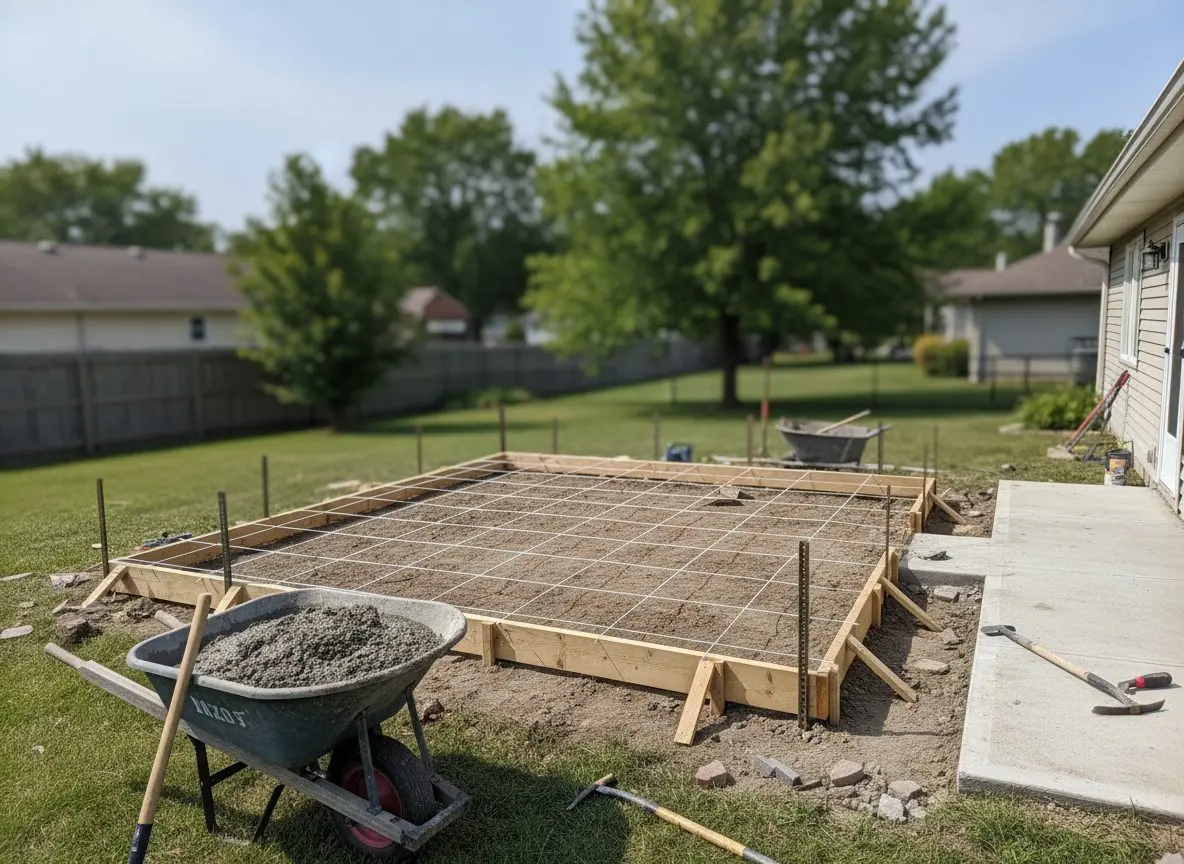
Resealing and patching or a full repour, which your patio needs
A worn or fading patio does not always mean the slab underneath has failed.
Surface crazing, color fade on a stamped finish or a hairline crack along a joint usually means the slab is still flat and still draining the way it was built to. Resealing or patching brings the surface back without tearing anything out.
A patio with a joint sitting higher than the slab beside it, or a low spot where water sits after every rain, means the ground underneath has moved. Resealing over that leaves the trip hazard and the drainage problem exactly where they were.
We will tell you which one your patio needs on the visit, including when resealing is the right call and the cheaper one, rather than pushing you toward the bigger job.
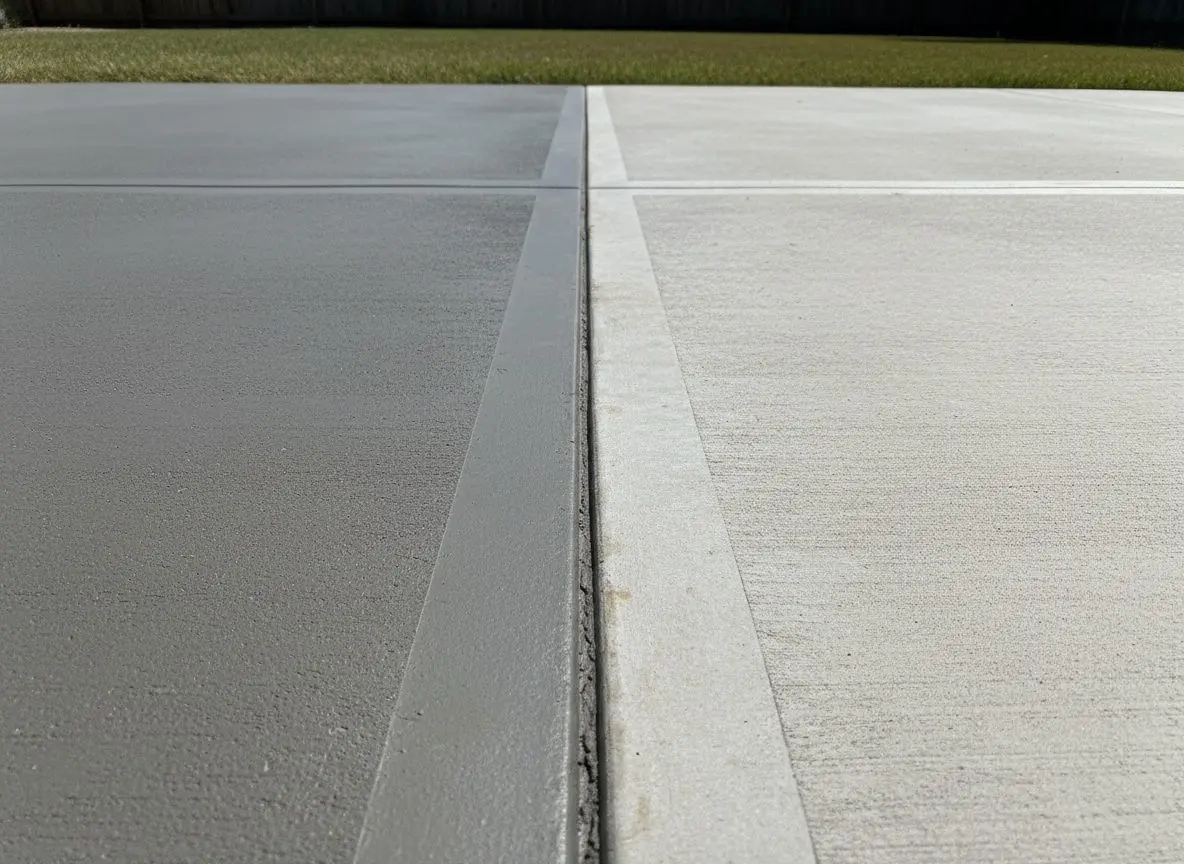
What keeps a patio level and draining
The slope goes in before the finish, and the finish is chosen for how it feels underfoot wet, not just how it looks dry.
A patio goes down at four inches, with fiber mesh reinforcement standard rather than the rebar a driveway needs, since foot traffic and outdoor furniture do not load a slab the way a vehicle does. The surface is graded at roughly a quarter inch of fall per foot, carrying water away from the house rather than pooling against the foundation.
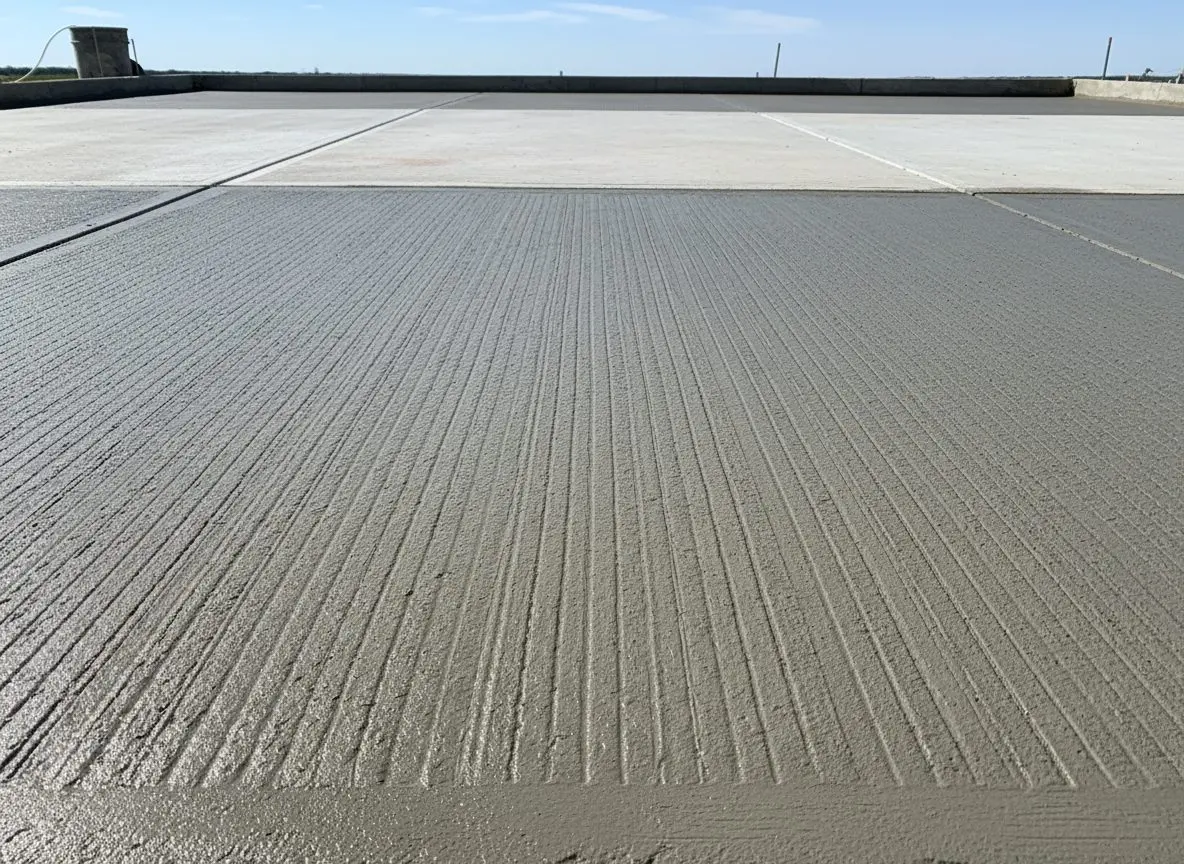
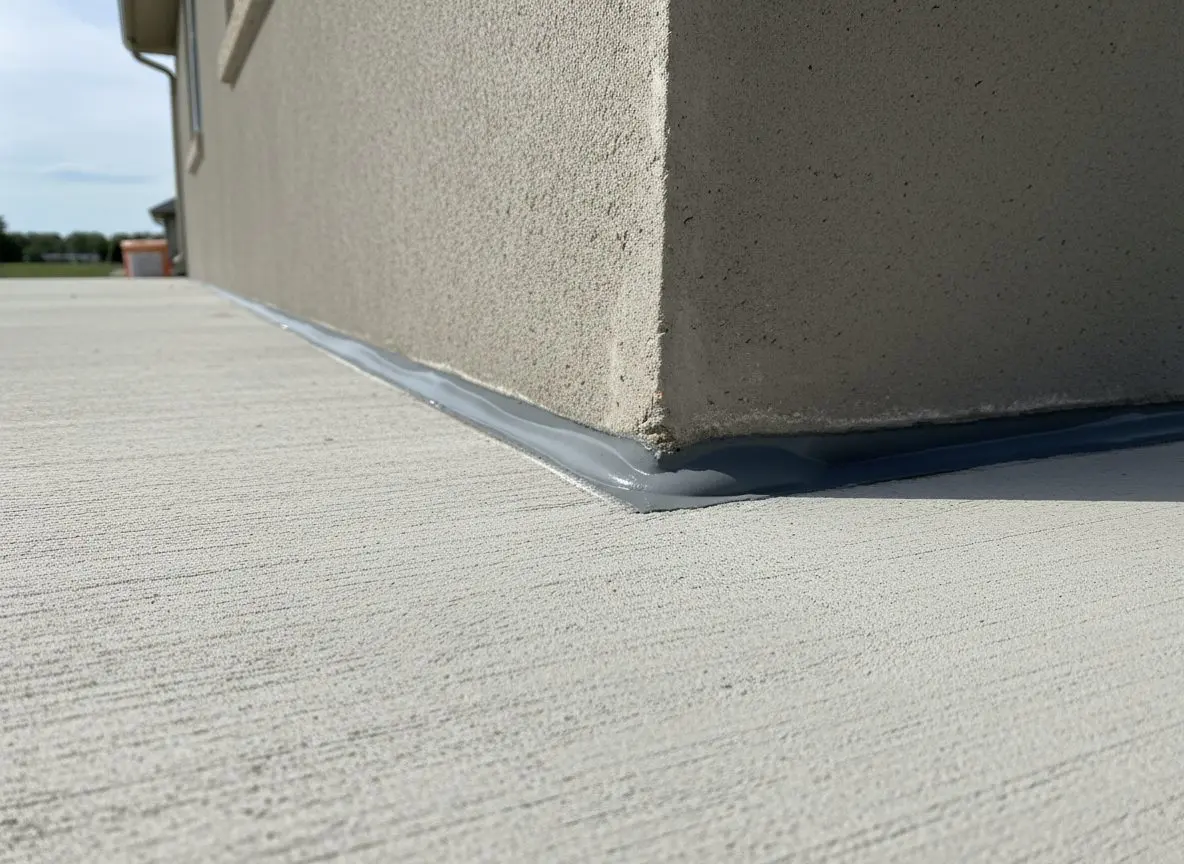
Every patio gets a broom or textured finish rather than a smooth trowel, because a smooth surface turns slick within a season under a shaded corner or a garden hose. Where a slab meets the house wall, an expansion joint filled with sealant lets the two move independently instead of cracking each other.
- 4 inch slab, fiber mesh reinforced
- Quarter inch per foot slope away from the house
- Broom or textured finish for grip when wet
- Expansion joint where the slab meets the house
- Control joints at pedestrian spacing, not vehicle spacing
- Sealed within 30 days on stamped or exposed finishes
Call and we will walk the yard, check the grade and quote the exact slope your patio actually needs.
(309) 555-0142What actually changes the price of a patio pour?
You have just seen how a patio pour runs. What sets the price is the shape, the finish and what the ground around it needs, not the square footage on its own.
- Finish complexity
- A stamped pattern or an exposed aggregate finish takes longer to place and needs a second visit to seal, where a plain broom finish is one pass poured and left to cure.
- Grading and drainage work
- A yard that falls away from the house needs little prep, but a low spot holding water has to be built up and regraded before a form goes in, work most quotes cannot see until digging starts.
- Steps and seat walls
- A flat patio is one continuous pour, but a change in grade that calls for steps, or a seat wall along one edge, adds forming and finishing work beyond the slab itself.
- Access for the mixer
- A backyard the truck can back up to pours straight off the chute. A patio behind a fence or down a narrow side yard means concrete gets wheeled in by hand, and that adds hours of labor to the same size pour.
- Removing an old patio or pavers
- A patio replacing an old slab, or laid where pavers currently sit, needs that surface broken out and hauled off first, and that demolition is priced apart from placing the new concrete.
- Size and shape of the pour
- A simple rectangle forms and pours fast. A patio broken up by curves, an attached walkway or a border against a flower bed needs more forming and more cutting for the same square footage.
Which of these apply is usually clear once somebody has walked the yard and seen the grade for themselves. Get a free quote
From the first call to a slab you can use
Most jobs run one to two weeks from that first call to a finished pour, and the pour itself takes just one day.
Call (309) 555-0142 for a free estimate, or ask us to come out and measure before you decide on anything.
Get a free quoteWhat a patio is worth when you sell the house
An uneven walkway is often the first thing an inspector's report mentions.
No remodeling report we could find puts a resale percentage on a concrete patio the way the larger studies price a kitchen or a primary bath, because those studies track whole rooms a buyer shops for, not the outdoor slab under the furniture.
What those same inspection reports do document is drainage. A patio graded wrong sends water toward the foundation, and a wet basement or a settling wall shows up as a far more expensive line on a buyer's report than the patio ever cost to pour. A patio and walkway that drain the way they were built to keep that line off the report, which is worth more to a seller than a percentage no study ever measured for this work anyway.
What Bloomington ground does to a patio
Clay that settles unevenly, ice that lifts a joint out of true, and a shaded corner that never quite dries all change how a patio around here has to be built.
- Clay that settles unevenly near a foundation
- The same corn belt clay that swells and shrinks under a driveway does it under a patio, and because a patio sits against the house, uneven settling tips water back toward the foundation, which a driveway further off rarely has to account for.
- Freeze thaw heave at the patio joints
- A McLean County winter lifts and drops a patio slab at the joints every freeze and thaw cycle, and a joint that heaves even a little becomes a trip hazard underfoot in a way it never would on a driveway nobody walks across barefoot.
- Shaded patios turning slick with algae
- A patio tucked under trees or against the north side of a house stays damp long after a Bloomington rain, and a worn finish there grows a film of algae that turns slick, which is why the texture chosen for a shaded patio matters more than in open sun.
Recent patios and walkways poured around McLean County
Real patios and walkways poured for real customers across Bloomington, Normal and the towns around them.
-
Backyard Patio and Walkway
Normal
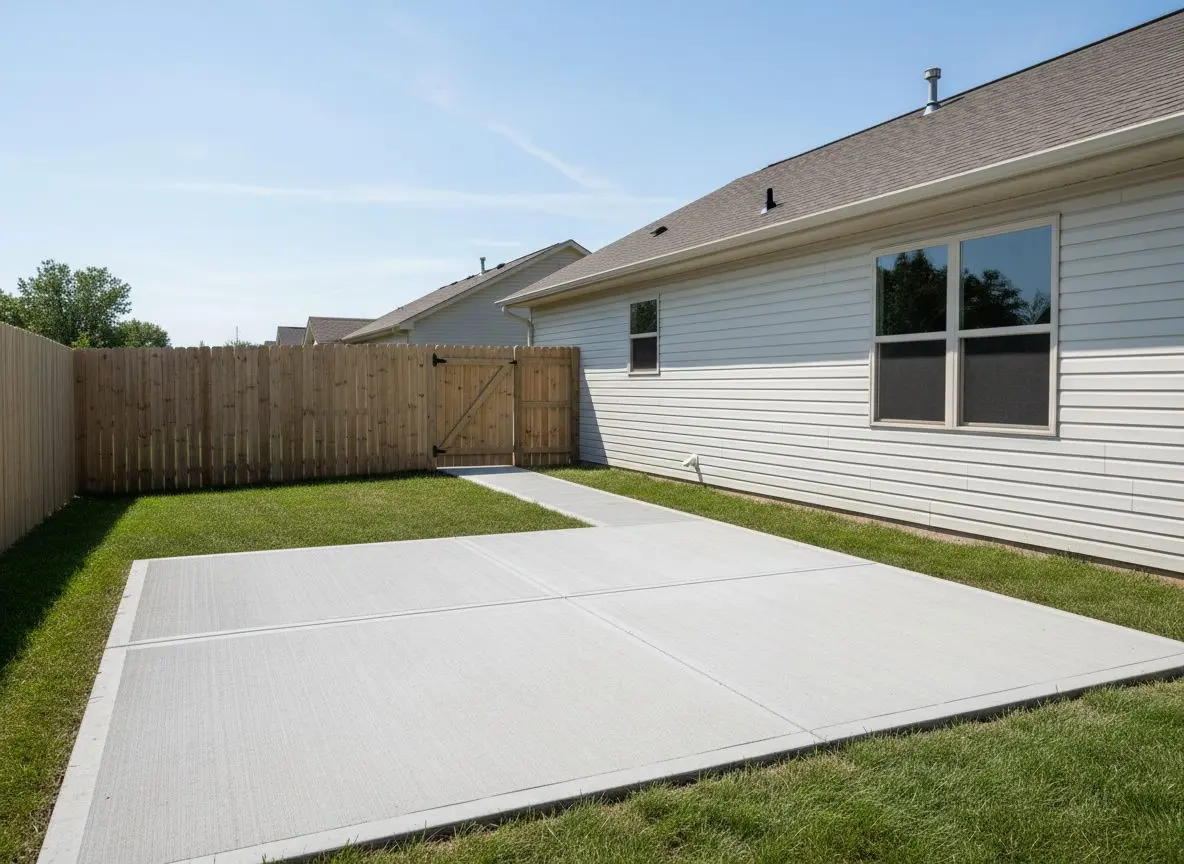
A patio off the back of the house tied to the driveway by a new walkway, graded to carry water away from a foundation that had been holding it.
-
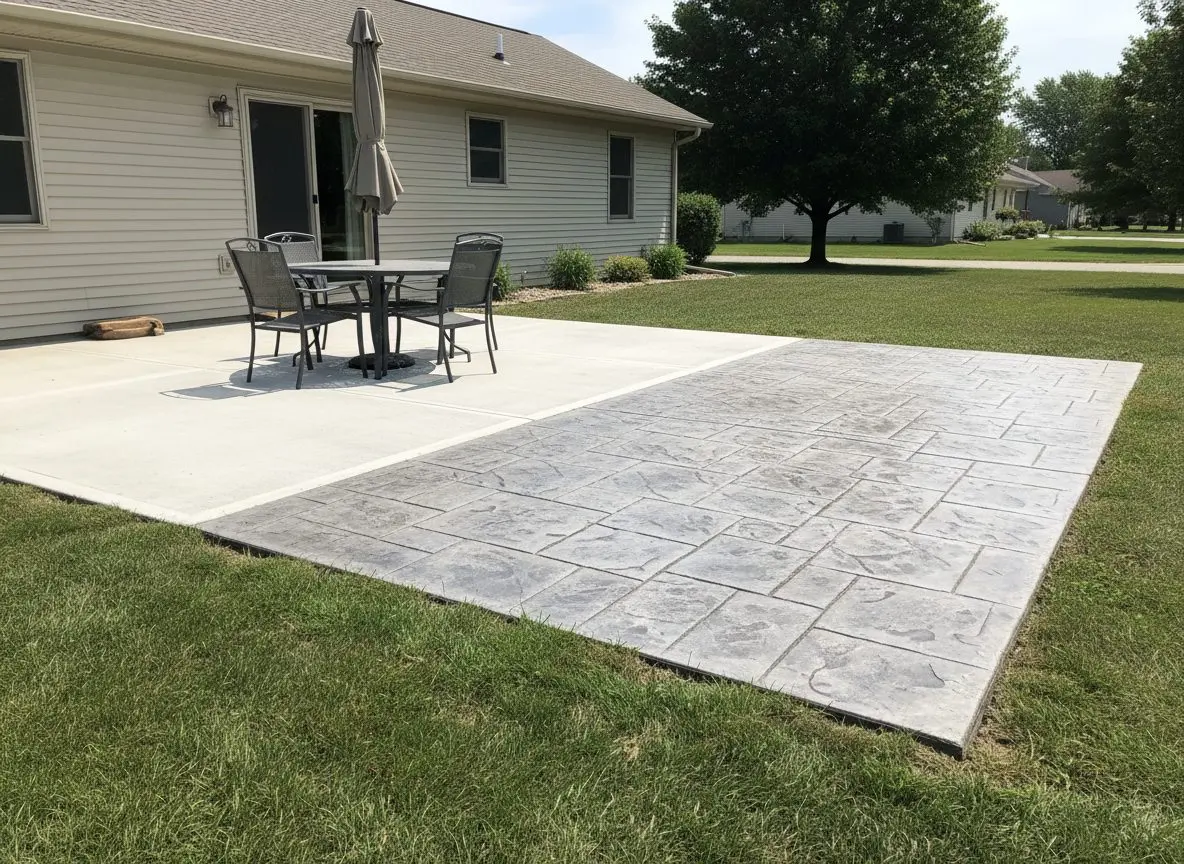
Stamped Patio Extension
Towanda
An existing plain patio extended and resurfaced in a stamped stone pattern, matched in thickness and joint spacing to the original slab.
-
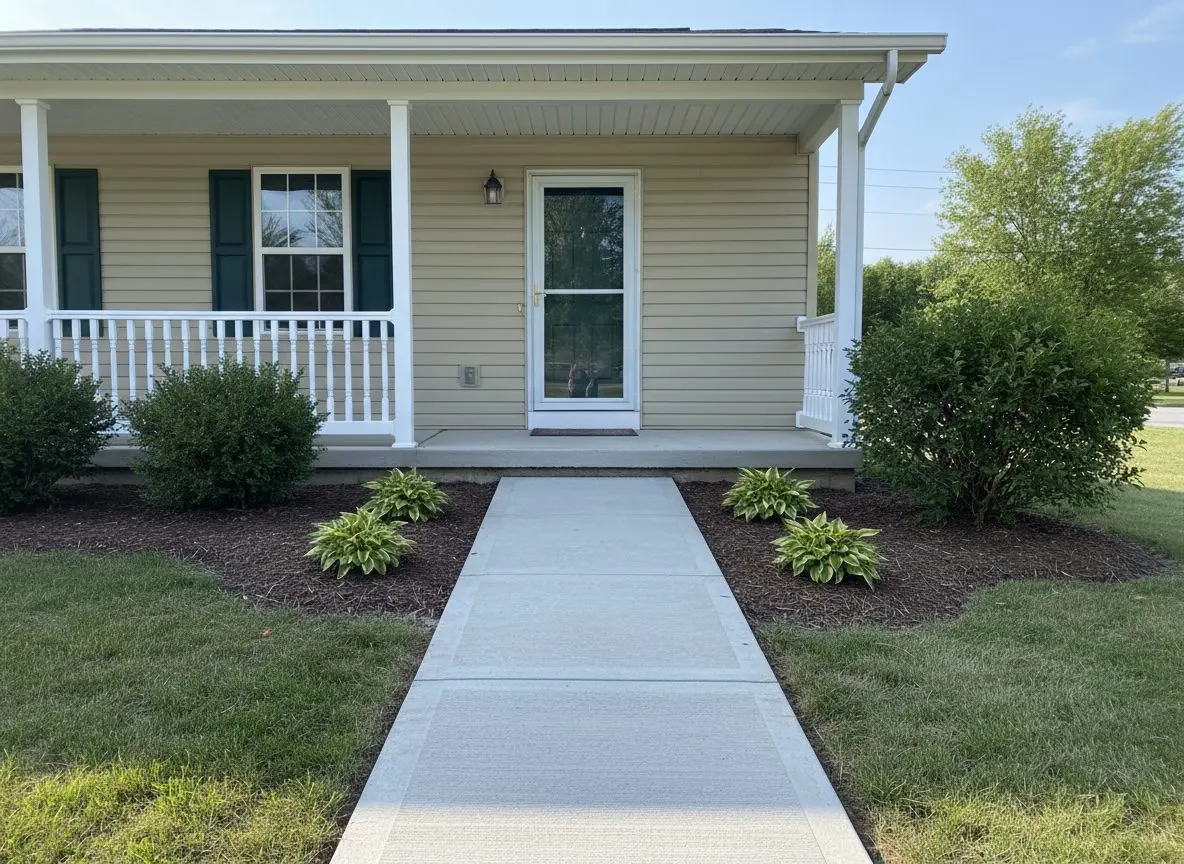
Front Walkway Replacement
Heyworth
A cracked, uneven walkway pulled out and repoured after a joint had heaved enough to catch a foot on the way to the door.
-
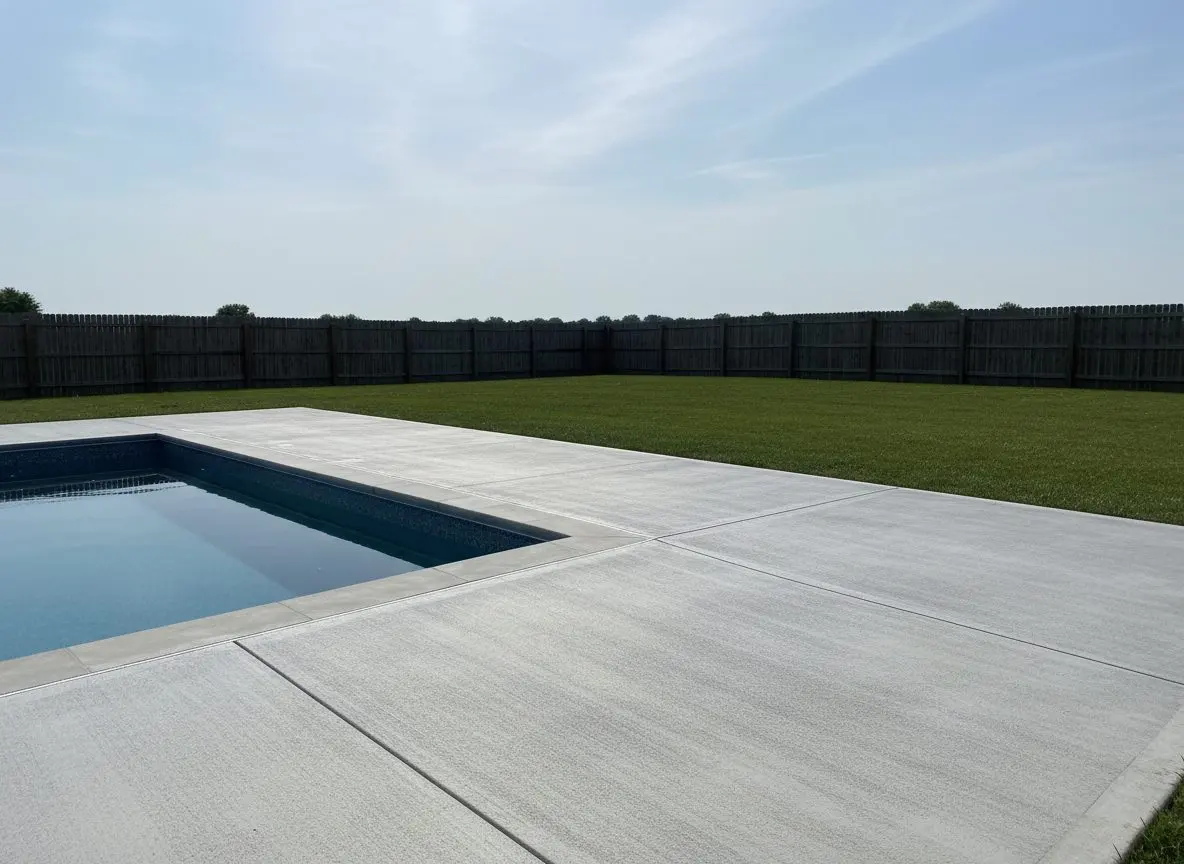
Poolside Patio Pour
Bloomington
A pool surround poured with a broom finish for grip when wet and a slope built in to carry splash water away from the coping.
-
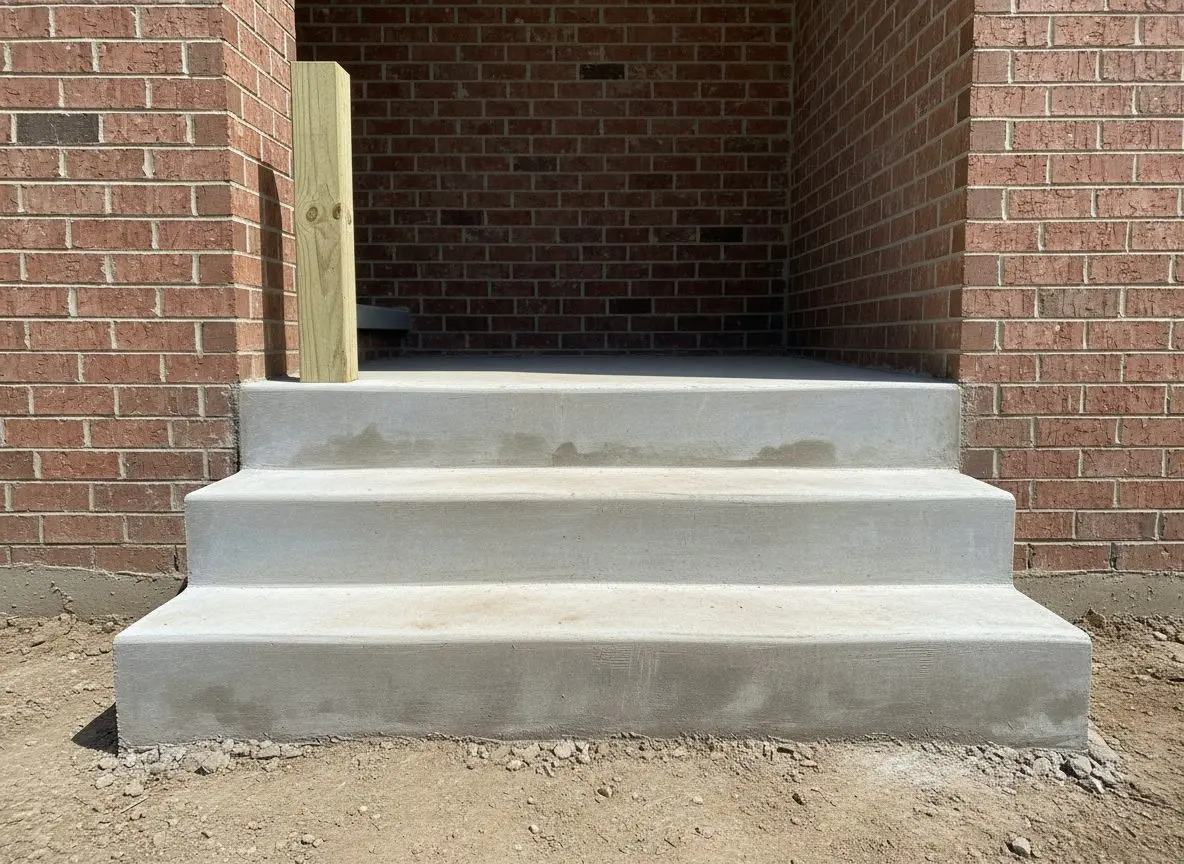
Entry Steps and Porch Pad
LeRoy
New entry steps poured to match a grade change at the front door, along with a porch pad tied into the walkway below it.
-
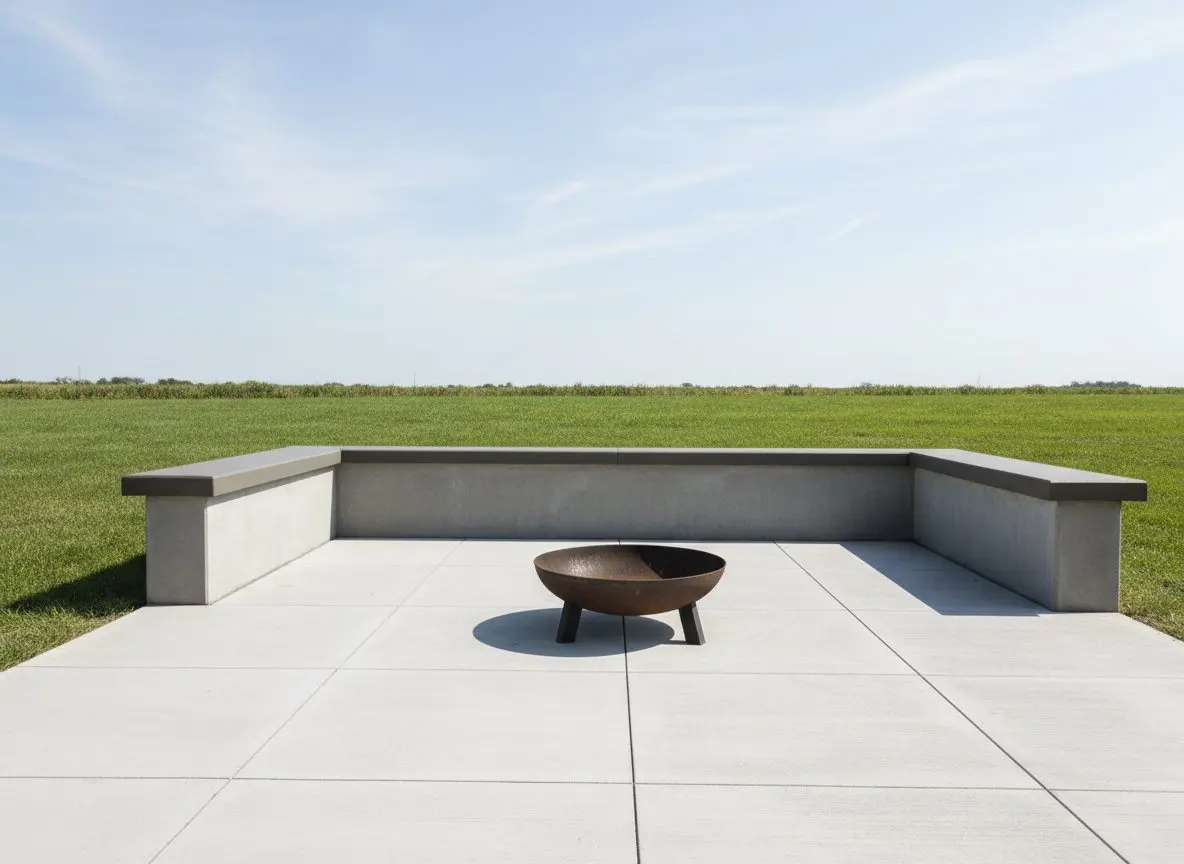
Patio and Seat Wall Addition
Danvers
A backyard patio poured with a low seat wall along one edge, built into the same forms as the slab to keep the two from cracking apart.
What Bloomington homeowners say about their new patio
-
Rated 5 out of 5
City tagged the two sidewalk squares in front of our house back in June. They cut them out and repoured on a Tuesday morning. Nothing else to say about it.
Doug H. Towanda Concrete Repair -
Rated 5 out of 5
Our driveway lifted at the apron every winter until it cracked right across. When they broke it out they hit an old asphalt layer nobody knew about, which added a day. Flat through two winters now.
Renee B. Carlock Driveways and Parking -
Rated 5 out of 5
We left the patio too late and October was closing in, so they poured on the first dry week and said the sealer would wait until spring. It did. My husband still checks the slope when it rains.
Terry S. Downs Patios and Walkways
Ask where we poured near you and go and stand on it. That tells you more than a star rating does.
Get a free quoteFAQs
Frequently asked questions
Patio and walkway questions from around Bloomington
Can you pour a patio in a backyard with no side-yard access?
Yes. A tight lot or a yard reachable only through a gate just means concrete gets wheeled in by hand instead of chuted off the truck, which adds labor rather than ruling the job out. We check access on the estimate visit so it is priced in from the start.
Does a patio quote include the walkway to the house?
Only if you ask for it. A patio and a connecting walkway are usually quoted together since they pour in the same visit, but each is priced on its own shape and square footage rather than bundled automatically.
How long before I can put furniture on a new patio?
Light furniture is fine after about a week once the surface has cured enough to take the weight. Anything heavier, like a filled planter or a hot tub, should wait closer to a month for the slab to reach full strength.
How long before sprinklers or rain can hit a new patio?
We keep a new patio covered and out of standing water for about a week while it cures. After that normal rain and sprinkler contact are fine, though we will tell you the exact timeline for your pour before we leave.
Should I choose a stamped finish or a plain broom finish?
A broom finish costs less, grips well when wet and needs no resealing schedule. A stamped finish reads as a paver or stone pattern and looks the part, but it needs sealing every few years to keep its color and its grip.
Does adding steps to a patio cost a lot more?
Steps add forming and finishing work beyond the flat slab, since each riser gets built and poured separately, so a patio with a change in grade built into it costs more than the same square footage poured flat with no steps at all.
Will pouring a patio damage the lawn or landscaping around it?
The forms and the wheelbarrow path take up some ground around the pour, and we protect what we can, but some disturbance to grass right at the edge is normal and it usually recovers fully within a season of regular mowing and watering.
Can the yard still be used while a walkway is being poured?
Most of the yard stays usable while the pour happens. The walkway itself is fenced off with the forms in, and once it cures you get it back, usually within about a week for ordinary foot traffic to and from the door of the house.
What makes a patio surface less slippery when it's wet?
A broom or textured finish creates grip a smooth trowel finish never will, and it matters most on a shaded patio that stays damp. We choose the texture on the visit based on how much sun and shade the spot actually gets.
What if the concrete truck can't reach the backyard?
Concrete gets wheeled in by hand from wherever the truck can park closest, which adds time but not a limit on the job. We walk the access route on the estimate visit so it is priced into the quote rather than a surprise on pour day.
Do you need to remove an existing paver or brick patio first?
Yes, pavers, brick or an old slab all have to come out and get hauled off before a new concrete patio goes down, and that removal is priced as its own step rather than folded quietly into the pour so it stays visible on the estimate.
What if water starts pooling on a patio after it's poured?
That should not happen on a patio we graded, but if a low spot develops later we will come out, check the slope and correct it under our workmanship cover rather than leaving you with a patch of standing water every time it rains.
Bloomington Concrete Pros
We have been pouring concrete around Bloomington and Normal since 2008.
Bloomington Concrete Pros pours driveways, patios, slabs and foundations across Bloomington, Normal and the rest of McLean County. We handle new pours, removal and replacement of failed slabs, and repair on concrete that is cracking or settling with the freeze and thaw. Every job gets a free estimate before anything is scheduled.
Why call a crew that already knows this ground?
- 18 years pouring concrete in Bloomington and Normal
- Free estimate before any work is scheduled
- You get a callback the same day, every time
- General liability and workers compensation cover
- We work around the pour window, not against it
Concrete poured without allowing for how this ground moves cracks at the joints by the first winter, and a slab poured on a rushed schedule rarely cures the way it should. We plan around both, from the mix we choose to the week we book the pour. Call (309) 555-0142 for a free estimate, and we will come out and measure before you decide on anything.
Give us a call
office@bloomingtonconcretepros.com
Send us a message
315 E Front St, Bloomington, IL, 61701
Where to find us